Guides
eSIM or local SIM: it is not about the price
A local SIM makes you a customer of that country. An eSIM leaves you a guest. When each wins — and why most people need not choose.
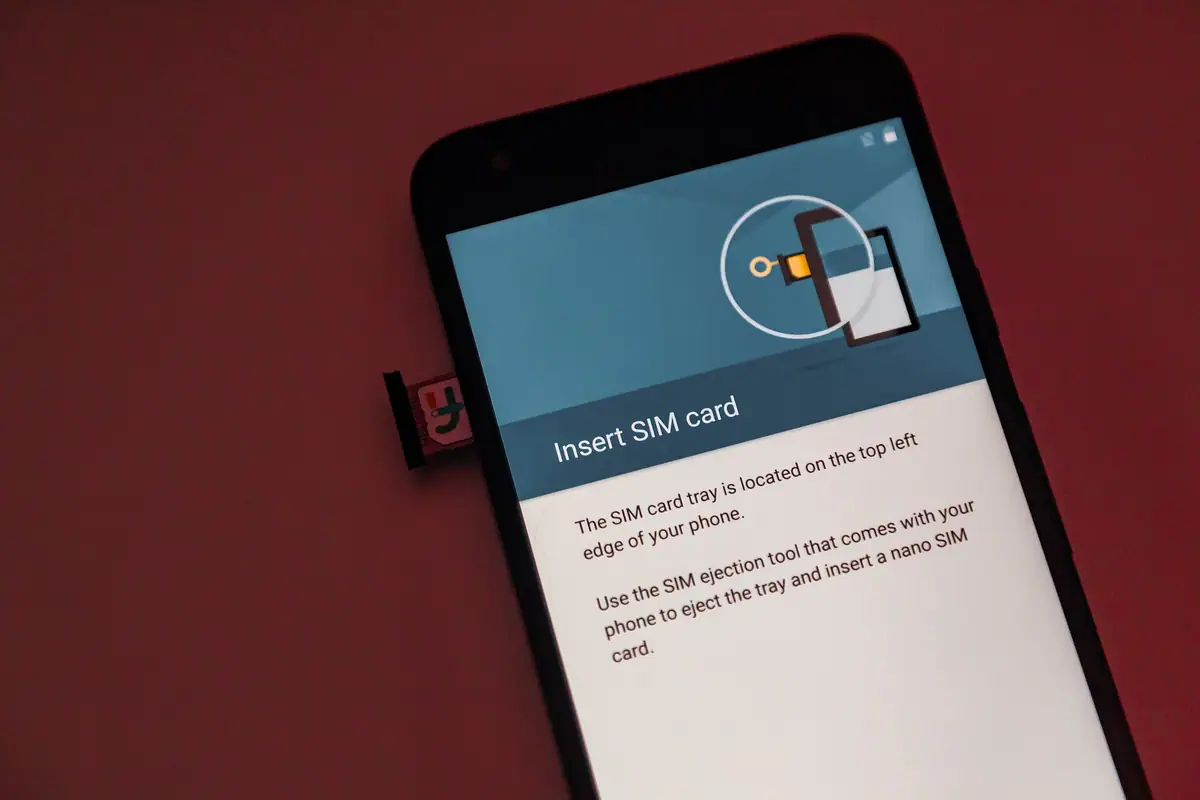
Photo: Tony Webster, CC BY 2.0
The question usually arrives at an airport, in a queue, with a suitcase in hand: buy a local SIM, or should you have sorted out an eSIM before flying. The answer is not always the same, and it depends far less on price than people assume.
What is actually being compared
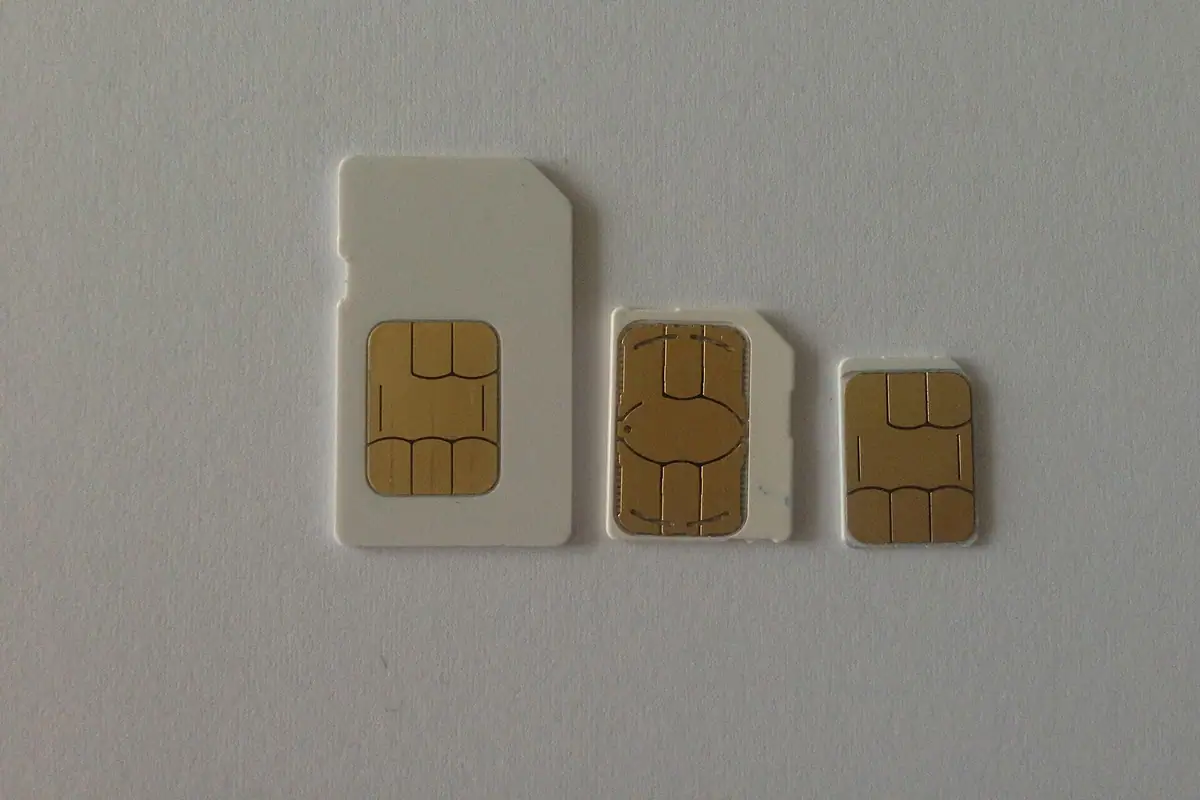
A local SIM card is a subscriber relationship with an operator in that country. You get their number, their prices, and their status — with everything that brings, good and bad.
A roaming eSIM — what we sell — is a visiting connection on those same networks. No local number, no contract, no counter. Data flows; your own number stays yours.
So this is not two prices being compared. It is two kinds of relationship.
When a local SIM wins
- You are staying a long time. A month or more in one country and local pricing almost always wins per gigabyte.
- You need a local number. For deliveries, a bank, local services, or work. Plenty of apps insist on a domestic number to verify you.
- You need minutes to local numbers. Bookings, taxis, the person with the keys to the flat.
- One country, no onward travel. A local SIM stops being cheap the moment you cross a border.
When an eSIM wins
- Short trips. Up to two or three weeks, the price difference is smaller than the time you spend buying one.
- Several countries. One regional plan instead of a card per border.
- The first day matters. An eSIM works the moment you land; a card needs a shop, a queue, and often registration.
- You want to stay reachable on your own number. This is the biggest real difference and the one most often overlooked.
- You would rather not enter your handset into somebody's registry. Türkiye blocks a device that used a local SIM after roughly 120 days; Indonesia ties the card to your passport.
A local SIM makes you a customer of that country. An eSIM leaves you a guest. For a trip, guest is usually the correct status.
The hidden cost of a local SIM
The price in the window is rarely the price you pay.
- Time. An hour of the first day has a value.
- Registration. In much of the world the card is tied to your passport. Not a problem, but it is paperwork.
- Your own number. Take your card out to fit a local one and you stop receiving calls and SMS codes — which is exactly when your bank sends one.
- The unused remainder. Buy 20 GB, use 6, and the rest stays in the country you left.
The hidden cost of an eSIM
It is only fair to state the other side:
- The per-gigabyte price is higher than a local tariff. Over a long stay that adds up.
- No local number. If you need one, you need one.
- It needs a phone that supports eSIM and is not locked to a carrier.
- It must be installed while you still have internet. That means before you fly, and it is the one thing people forget.
What you do not have to choose
The commonest mistake is treating this as either-or. A modern phone holds two lines: yours, and the travel one.
Keep your own number on for calls and messages with its data roaming switched off, and let the eSIM carry the data. You stay reachable on your own number, bank codes arrive, and nothing can quietly bill you for data because your home line never uses any.
That is the setup we recommend to almost everybody, and it answers the question without a compromise.
The short rule
Up to three weeks, or more than one country, or you care about staying on your own number — eSIM. A month or more in one country, or you need a local number — local SIM, and buy it on the second day rather than the first.
And if you are going to Türkiye, read what a local SIM starts there first. It is the one case where the choice has a consequence that follows you for years.